

Compliance requires understanding applicable standards, ongoing education, professional advice, and adaptable accounting systems. Emerging technologies like blockchain may further improve transparency and security in financial reporting. This strategy boosts long-term viability and cuts the cord on expensive debt or equity financing. J.B. Maverick is an active trader, commodity futures broker, and stock market analyst 17+ years of experience, in addition to 10+ years of experience as a finance writer and book editor.
- Then, add the net income (or subtract the net loss) for the current period and subtract any dividends paid to shareholders.
- It starts with the beginning balance of retained earnings, adds net income or subtracts a net loss, and deducts any dividends paid out to shareholders.
- It is a key indicator of a company’s ability to generate sales and it’s reported before deducting any expenses.
- Net income is found on your company’s profit and loss statement (also called an income statement).
- Discover the essentials of a retained earnings statement, its components, and its role in reflecting a company’s financial health.
Where Do Retained Earnings Go on the Income Statement?
As an investor, one would like to know much more, such as the returns that the retained earnings have generated and whether they were better than any alternative investments. Additionally, investors may prefer to see larger dividends rather than significant annual increases to retained earnings. A maturing company may not have many options or high-return projects for which to use the surplus cash, and it may prefer handing out dividends. A company may also use the retained earnings to finance a new product launch to increase the company’s list of product offerings. For example, a beverage processing company may introduce a new flavor or launch a completely different product that boosts its competitive position in the marketplace.

Where Is Retained Earnings on a Balance Sheet?

To simplify your retained earnings calculation, opt for user-friendly accounting software with comprehensive reporting capabilities. There are plenty of options out there, including QuickBooks, adjusting entries Xero, and FreshBooks. Net profit refers to the total revenue generated by a company minus all expenses, taxes, and other costs incurred during a given accounting period. When a company consistently experiences net losses, those losses deplete its retained earnings.
- If a company retains a large portion of earnings but shows stagnant growth in assets or revenue, it may signal inefficiencies in capital allocation.
- In the United States, it is required to follow the Generally Accepted Accounting Principles (GAAP).
- The statement of retained earnings is also known as the retained earnings statement, the statement of shareholders’ equity, the statement of owners’ equity, and the equity statement.
- If a company decides not to pay dividends, and instead keeps all of its profits for internal use, then the retained earnings balance increases by the full amount of net income, also called net profit.
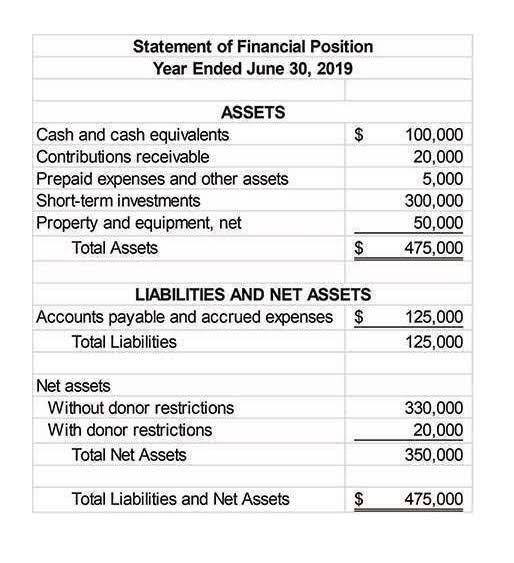
- A balance sheet lays out the ending balances in a company’s asset, liability, and equity accounts as of the date stated on the report.
- Understanding your retained earnings statement transforms it from a compliance requirement into a strategic asset.
B. Net Income or Loss

It begins with the balance of retained earnings at the beginning of the period and adjusts for net income or loss generated during the period. No, retained earnings are not an asset on the balance sheet—they are part of shareholders’ equity. Many people focus on the income statement or balance sheet to assess financial health, but the statement of retained earnings is just as important because it shows how a business manages profits. Understanding the retained earnings report is crucial for investors and owners. A statement of retained earnings can be a standalone document or appended to the balance https://qortexia.com.br/online-bookkeeping-and-accounting-services-for/ sheet at the end of each accounting period.
- To simplify your retained earnings calculation, opt for user-friendly accounting software with comprehensive reporting capabilities.
- This balance directly impacts your ability to fund expansion, weather downturns, and create long-term value.
- Chartered accountant Michael Brown is the founder and CEO of Double Entry Bookkeeping.
- Retained earnings refer to the money your company keeps for itself after paying out dividends to shareholders.
- Lenders and creditors are continually looking for evidence that a business will be able to settle debts and make credit repayments.

In M&A transactions and valuation assignments, these insights into uses of profits are invaluable. They allow analysts to gauge a company’s self-funding abilities, dividend sustainability, and potential for leveraged growth—all critical factors in determining enterprise value and transaction viability. The net income of a business belongs to the owners, we have seen above that the net income can either be paid out to the owners by way of dividend, or kept within the business, as retained earnings. Either way, the net income and therefore the retained earnings, belongs to the owners and forms part of the owners equity. The retained earnings what goes on retained earnings statement for each year accumulate on the Retained Earnings account which forms part of the owners equity in the balance sheet. Retained earnings provide a much clearer picture of your business’ financial health than net income can.

This financial statement begins with sales revenue and systematically subtracts various expenses, gains, and losses to arrive at a final net income figure. Remember, retained earnings represents all earnings since inception less any dividends paid out. Clear Lake Sporting Goods must have paid out $30,000 in dividends in the current year. We will see this information laid out in the statement of retained earnings.